When people hear “C. diff,” they usually think of it as a health problem that ends once treatment is over. But for many homes and care spaces, that isn’t the full story.
C. diff is not only a medical issue. It can also become an environmental biohazard. Even after someone starts feeling better, the bacteria can remain behind in the space where they were sick.
That’s because C. diff behaves differently from most germs. It creates spores that can stay on surfaces for a long time. These spores are hard to remove, easy to spread, and often survive normal cleaning. When cleanup is incomplete, the risk does not go away; it stays hidden.
This is why C. diff situations often require professional biohazard cleanup, not just routine household cleaning.

C. diff is a type of bacteria that lives in the digestive system. It causes serious stomach and intestinal illness and spreads through tiny spores found in fecal matter.
These spores are so small that you cannot see them. They can land on surfaces, stay there for months, and survive many common cleaning products. A room may look clean, smell clean, and still be unsafe.
C. diff is often linked to hospitals and medical facilities, but it does not stay there. It can spread in homes, assisted living communities, recovery spaces, and anywhere cleaning is difficult or incomplete.
When C. diff enters the body, it can release toxins that damage the colon's lining. This causes swelling and irritation and makes it hard for the digestive system to work normally.
Many people experience ongoing diarrhea, stomach pain, fever, nausea, and dehydration. Fatigue and weakness are common, and recovery can feel slow and draining.
In more serious cases, C. diff can lead to life-threatening problems like severe colon swelling, blood infections, or repeat infections that keep coming back. Each time the illness returns, it is often harder to treat.
Older adults, people with weakened immune systems, and those who have recently taken antibiotics are at the greatest risk

C. diff is dangerous not only because of how sick it can make someone, but because of how it behaves in a space.
The spores it creates are very tough. They can survive drying, stay on both hard and soft surfaces, and resist many everyday cleaners. This means wiping down surfaces may not actually remove the risk.
C. diff also spreads through touch, not through sight. Spores move from surfaces to hands, and then into the mouth without anyone realizing it. Bathrooms, floors, bedding, furniture, carpets, and high-touch areas like door handles and light switches are common trouble spots.
Even when medical treatment works, people can get sick again if the environment has not been fully cleaned. In those cases, the space itself becomes part of the problem.
C. diff usually shows up in situations where illness or contamination makes deep cleaning difficult.
This includes times when someone is very sick and lacks the strength to clean properly, or when cleaning is delayed. It can also happen in homes with heavy clutter, where some areas are hard to reach or easy to overlook.
Shared living spaces, such as assisted living facilities and nursing homes, pose a higher risk due to shared bathrooms and common areas. Recovery spaces after a hospital stay are also vulnerable, especially when antibiotics have weakened the body’s natural defenses.
Sewage issues, bathroom overflows, and improper waste handling can further increase the risk by spreading fecal contamination.
This is where many people unknowingly put themselves and others at risk.
C. diff cleanup is not the same as normal cleaning. It is a biohazard situation that needs special care.
Most household cleaners do not kill C. diff spores. Cleaning with the wrong products may remove what you can see, but leave the real danger behind. In some cases, it can even spread spores to other rooms.
Using regular mops, rags, or vacuums can move spores onto clothing, shoes, furniture, and surfaces that were not contaminated before. What starts in one room can quietly spread through the home.
Porous items like carpet, furniture, mattresses, and padding are especially risky. These materials can absorb contaminants and continue releasing spores over time if they are not properly removed.
Handling and throwing away contaminated items is also dangerous. Without the right precautions, waste can expose family members, caregivers, vehicles, and trash areas.
Many repeat C. diff infections happen not because treatment failed, but because the environment was never fully cleaned. The illness ends, but the exposure does not.
Bio-One of Temecula treats C. diff as a serious health risk, not a surface-level cleaning job.
The process starts by identifying all areas that may be affected and setting up controls to keep contamination from spreading. Items that cannot be safely cleaned are carefully removed. Then the space is treated using professional methods designed to address spores, especially in high-touch and hard-to-reach areas.
The goal is simple: reduce risk and help make the space safe to use again.
C. diff does not just affect one person. It can quietly put family members, caregivers, staff, and future occupants at risk.
Proper cleanup helps stop that cycle and gives people confidence that the space they are returning to is safer.

When C. diff is involved, cleaning the space is not enough. The goal is to reduce the risk of ongoing exposure and help make the environment safer for the people who live or work there.
That’s where Bio-One comes in.
Bio-One of Temecula treats C. diff as a serious biohazard, not a routine cleaning job. Every situation starts with understanding where contamination may be hiding, not just where it’s visible. Bathrooms, floors, bedding, furniture, and high-touch surfaces are carefully evaluated because spores often spread beyond the obvious areas.
From there, Bio-One focuses on containment. This step is important because it helps prevent spores from spreading to other rooms during cleanup. Work areas are controlled to keep contamination limited and prevent it from spreading through the home or facility.
Some materials cannot be safely cleaned once they are contaminated. In those cases, Bio-One safely removes and disposes of affected items to reduce ongoing risk. This is especially important for porous materials such as carpet, padding, mattresses, and upholstered furniture, which can retain spores even after surface cleaning.
Next comes professional decontamination. Bio-One uses specialized methods to address hardy spores such as C. diff. Surfaces are treated carefully, with special attention to high-touch areas and often-overlooked places during normal cleaning.
Finally, Bio-One ensures the work is done thoroughly before the space is returned to use. The goal is simple: help reduce the chance of reinfection and give families, caregivers, and property managers peace of mind.
Throughout the process, Bio-One works with care and discretion. Many C. diff cases follow stressful health events, and the focus is always on helping people move forward safely and without judgment.
C. diff requires more than cleaning. It requires experience, care, and the right approach.
If the situation feels overwhelming, if illness keeps returning, or if someone vulnerable is involved, professional biohazard cleanup is not just helpful; it is important.
Bio-One is here to help restore safety and peace of mind during difficult moments.
From Our Franchisee: Elizabeth Lipp of Bio-One of Fort Collins
“I always say: if you don’t want to clean it, you probably shouldn’t—and this is why.
I recently got a call from a property manager at a trailer park. An elderly resident had been hospitalized twice due to an illness that turned out to be C. Diff, a highly contagious bacterial infection whose spores are very difficult to kill.
Before knowing what they were dealing with, the property manager, his wife, and another individual tried to help by cleaning the resident’s heavily hoarded trailer after the first hospital visit. Thankfully, none of them became ill—but unfortunately, the resident did contract C. Diff again.
After the second hospitalization, they did the right thing and called Bio-One. While no one can guarantee reinfection won’t happen without ongoing hygiene oversight, I’m very confident the bacteria and spores are no longer present in the trailer because the proper chemicals and protocols were used.
Moral of the story: Good intentions aren’t enough when biohazards are involved. Some situations require professional training, PPE, and the right disinfectants—for everyone’s safety.”
What is C. diff?
C. diff is a type of bacteria that causes serious stomach and intestinal illness. It spreads through tiny spores found in fecal matter and can stay on surfaces for a long time.
Why is C. diff considered a biohazard?
C. diff is considered a biohazard because its spores can remain in an environment long after someone feels better. If those spores are not properly removed, they can continue to spread illness.
Can a home still be unsafe after someone recovers?
Yes. Even after treatment ends, spores can remain on surfaces like bathrooms, floors, bedding, and furniture. This is a common reason people get sick again.
Why doesn’t normal cleaning fix the problem?
Most household cleaners do not work against C. diff spores. Some cleaning methods can actually spread spores rather than remove them.
Where does C. diff usually hide?
Bathrooms are common, but spores can also be found on floors, baseboards, mattresses, furniture, carpets, door handles, and light switches.
Can carpets or furniture be contaminated?
Yes. Soft and porous materials can absorb contamination. In some cases, these items cannot be safely cleaned and need to be removed.
Can you get sick again from the same space?
Yes. Reinfection often happens when spores remain in the environment. Medical treatment alone does not remove environmental risk.
Who is most at risk?
Older adults, people with weakened immune systems, and those who have recently taken antibiotics face a higher risk. Caregivers can also be exposed without knowing it.
When should professional cleanup be considered?
Professional cleanup should be considered after a long illness, when multiple rooms may be affected, when reinfection has occurred, or when proper cleaning feels uncertain.
How does Bio-One help?
Bio-One provides professional biohazard cleanup focused on safety, containment, and thorough cleaning. Their goal is to reduce health risks and help make the space safer again.
When most people hear biohazard cleanup, they think of extreme situations: crime scenes, major accidents, or hazmat suits on TV. But in reality, biohazards appear in far more everyday scenarios than most homeowners, property managers, and business owners realize.
Biohazards are any biological materials that pose a risk to human health. That includes blood, bodily fluids, waste, decomposition, and certain contaminants that can’t be handled safely with standard cleaning methods.
Here are 10 situations that often require a professional biohazard cleanup company, even if they don’t look dangerous at first glance.

When someone passes away and isn’t discovered for hours or days, the surrounding environment can quickly become unsafe. As the body naturally breaks down, biological materials are released and can spread beyond the immediate area.
This contamination often seeps into:
What makes unattended deaths especially dangerous is that the damage is rarely limited to what’s visible. Odors, fluids, and airborne contaminants can travel, making professional containment and thorough decontamination critical before the space can be safely occupied again.
Blood and other bodily fluids can carry pathogens that remain infectious long after the surface appears dry. While a minor cut can often be handled with routine cleaning, larger spills or unknown exposure risks require professional attention.
Biohazard cleanup is often necessary when:
Without proper cleanup, microscopic traces can remain, posing ongoing health risks to anyone who later enters the space.
After a traumatic loss, the emotional toll on families, property owners, and loved ones is immense. The physical environment often reflects the trauma and requires specialized care to restore safety.
Professional biohazard cleanup provides:
This type of cleanup allows families and property managers to focus on healing and next steps, rather than being exposed to additional distress or health risks.

Not all hoarding situations involve biohazards, but many do. Over time, excessive accumulation can hide serious health concerns beneath layers of belongings.
Common biohazards in hoarding environments include:
When biological contamination is present, cleanup requires more than organizing or removal. It involves safe handling, disinfection, and careful restoration to return the space to livable conditions.
Rodents contaminate areas through droppings, urine, nesting materials, and damaged insulation. As these materials dry, particles can become airborne and spread throughout the structure.
Biohazard cleanup may be required when:
Proper cleanup helps reduce exposure risks and prevents lingering odors and contamination from spreading further.
Sewage backups introduce harmful bacteria and pathogens directly into living or working spaces. Even after the water recedes, contamination often remains.
Professional cleanup typically includes:
Attempting to clean sewage contamination without proper equipment can increase exposure risks and spread contamination to unaffected areas.
Properties impacted by drug use, whether residential, commercial, or vehicles, can contain hazardous residues and sharp objects that pose serious risks.
Biohazard cleanup is often necessary to:
These environments require careful handling to prevent accidental exposure and injury.
When animals pass away in walls, attics, crawl spaces, or yards, biological materials and odors can spread quickly. The longer the remains go undiscovered, the greater the contamination.
Cleanup may involve:
Even small animals can cause significant contamination when decomposition occurs in enclosed spaces.
Certain illness-related situations create biohazards when bodily fluids, waste, or contaminated surfaces are involved, especially in shared environments.
Biohazard cleanup may be needed in:
The goal is to reduce the risk of cross-contamination and ensure the space is safe for continued use.
Vehicles can become contaminated through accidents, medical transport, or exposure to bodily fluids. Because vehicles are enclosed spaces, contamination and odors can persist without professional treatment.
Biohazard vehicle cleanup typically includes:
This ensures the vehicle can be safely used again without ongoing exposure concerns.

Biohazard situations are rarely limited to what you can see on the surface. While a space may look clean after basic cleaning, harmful contamination can remain hidden in places most people never think to check.
Biological materials can:
Without proper containment and decontamination, these hidden hazards can continue to pose risks to anyone who enters the space for days, weeks, or even months.
Professional biohazard cleanup companies like Bio-One are trained to address the entire environment, not just the obvious areas of concern.
Bio-One of Temecula follows industry-recognized safety procedures designed to reduce exposure and prevent cross-contamination. Every scene is carefully assessed, and cleanup is performed in a controlled, methodical manner to protect everyone involved.
Standard cleaning tools aren’t designed to handle biological contamination. Professional biohazard cleanup uses specialized equipment and materials to safely remove affected items, disinfect surfaces, and address lingering odors that traditional cleaning methods can’t resolve.
Proper cleanup helps protect:
By addressing contamination at the source, professional cleanup reduces long-term risks and liability.
Many biohazard situations involve deeply personal or traumatic circumstances. Bio-One approaches every job with professionalism, privacy, and empathy, treating people and spaces with the respect they deserve.
Biohazard situations are overwhelming, especially when you’re not sure what steps to take or who to call. If something doesn’t feel right, it’s always better to ask questions before attempting cleanup on your own.
Bio-One of Temecula responds with care, clarity, and urgency:
Whether you’re a homeowner, property manager, or business owner, Bio-One helps you understand the safest next step so you can make informed decisions during a difficult moment.
When life feels heavy and situations are complex, Bio-One is here to help you move forward, safely, respectfully, and with compassion.
A biohazard situation involves biological materials that can pose a risk to human health. This may include blood, bodily fluids, waste, decomposition, or contamination from animals, sewage, or certain illnesses. If standard cleaning methods aren’t enough to safely address the situation, professional biohazard cleanup may be needed.
While it may be tempting to handle cleanup on your own, many biohazard situations involve hidden contamination that isn’t visible to the naked eye. Without proper equipment, training, and safety protocols, DIY cleanup can increase exposure risks and leave harmful materials behind.
If a situation involves bodily fluids, strong odors, contamination that has soaked into surfaces, or uncertainty about health risks, it’s best to consult a professional. Bio-One can help assess the situation and explain the safest next steps.
No. Biohazard cleanup is often required for situations that aren’t widely recognized as hazardous, such as unattended deaths, sewage backups, hoarding environments with contamination, rodent infestations, or vehicle contamination.
Biohazards can spread beyond visible areas into carpets, padding, subflooring, walls, furniture, HVAC systems, and personal belongings. Professional cleanup focuses on addressing both visible and hidden contamination.
The time required depends on the extent of contamination and the size of the affected area. Some situations can be addressed in a day, while others may require multiple days to ensure the space is cleaned correctly and safe to occupy.
Yes. Odor treatment is often an essential part of biohazard cleanup. Persistent odors are usually a sign of underlying contamination, and professional cleanup addresses the source—not just the smell.
Yes. Bio-One understands that many situations are sensitive and personal. Cleanup is handled with discretion, professionalism, and respect for privacy, helping protect both individuals and property reputations.
Biohazard cleanup services are used by homeowners, families, property managers, landlords, businesses, law enforcement, healthcare facilities, and vehicle owners—anyone facing a biological contamination situation.
The most critical first step is to avoid disturbing the area and, if possible, limit access. Then contact a professional biohazard cleanup company, such as Bio-One, to discuss the situation and receive guidance on next steps.
It’s the end of the year. Tenants are traveling, offices are closing, and you’re finally ready to take a breath after months of managing maintenance requests, move-outs, and inspections.
But as every property manager knows, emergencies don’t care about business hours, weekends, or holidays.
When something unexpected happens on your property, you can’t simply “wait until Monday.”
A situation that starts small on Friday night can escalate quickly over the weekend, leaving behind contamination, odors, or health hazards that put your tenants, staff, and reputation at risk.
From biohazards to trauma scenes, these incidents require more than quick thinking; they need immediate professional response. These aren’t ordinary maintenance calls. They’re situations that call for specialized equipment, certified training, and absolute discretion.
And when help is hardest to find, Bio-One of Temecula is always available.
Our 24/7 response ensures you never face a biohazard emergency alone, no matter the day, hour, or holiday.

Some problems can wait for Monday morning. A leaky faucet, a broken light fixture, or a scuffed wall? Your maintenance team has it covered.
But when you walk into a unit and find blood, bodily fluids, drug residue, or human waste, it’s an entirely different situation.
These aren’t just unpleasant messes; they’re biohazards that can carry serious health and legal risks if mishandled.
Your maintenance team wasn’t trained for this, and shouldn’t be expected to be.
Calling in the right help isn’t just about cleaning up; it’s about protecting your people, your property, and your liability.
So when the unexpected happens and your maintenance crew reaches their limit, you’re not left holding the responsibility alone.
Bio-One is ready to step in: fast, professional, and with care for everyone involved.

December brings unique risks that can catch even the most experienced property managers off guard.
The end of the year often means long weekends, vacant units, and limited staff coverage, the perfect storm for problems to go unnoticed until they become serious.
When it comes to biohazard situations, time isn’t just money; it’s safety. The longer contamination sits, the more it spreads, seeps, and compounds the damage. That’s why timing is everything.
Here are some of the most common holiday emergencies property managers face:
During the holidays, some tenants travel while others live alone with fewer wellness checks from friends or family. In multifamily housing, these situations can go unnoticed for days, creating health hazards and odors that spread beyond a single unit.
Bio-One is trained to respond with compassion, discretion, and full decontamination, restoring safety and dignity for everyone involved.
Holiday stress, parties, and family tensions can, unfortunately, lead to incidents that require immediate cleanup. Blood, bodily fluids, and residue can’t wait until after the weekend. Bio-One’s 24/7 response ensures that when the unthinkable happens, help arrives quickly to restore order and safety.
In colder climates, freezing temperatures can rupture pipes and flood units with contaminated water. Bacteria and waste can spread quickly through flooring, drywall, and air systems.
Bio-One mitigates the contamination, disinfects affected areas, and helps property managers prevent further structural damage.
Year-end move-outs often reveal surprises: hoarding, hidden waste, or abandoned belongings. These issues can delay turnover and cost managers valuable rent days. Bio-One’s cleanup process gets units back to rent-ready condition faster, helping protect your bottom line.
When these emergencies happen, waiting until Monday isn’t an option. Bio-One responds immediately, day, night, or holiday, because we know that safety, compliance, and peace of mind can’t wait.
Even on Christmas morning or New Year’s Eve, we’re just one call away.

When a biohazard emergency happens, every minute matters.
Property managers don’t just need a cleanup crew; they need a partner they can count on to respond fast, handle the situation professionally, and protect the integrity of their property and reputation.
That’s exactly what Bio-One of Temecula delivers, day or night, 365 days a year.
When emergencies strike, property managers rely on three things above all else:
Bio-One delivers on all three, every single time.
When you call Bio-One, you reach real people, not an answering service or voicemail. Our local team answers immediately, assesses the situation, and mobilizes quickly.
We’re equipped to respond within hours, not days, to minimize disruption and risk.
Whether it’s a late-night call from security or an emergency over a holiday weekend, you’ll never hear, “We’ll get back to you Monday.”
Every Bio-One technician is trained and certified in OSHA, IICRC, and biohazard remediation standards.
That means they understand the science behind contamination: how to safely clean, disinfect, and dispose of biohazardous materials while protecting occupants, staff, and the environment.
Our expertise includes:
We bring professional-grade disinfectants, protective equipment, and proven processes to every scene, ensuring your property is handled correctly from start to finish.
Biohazard situations can draw unwanted attention, and we understand how important privacy is in your business. Our crews arrive in unmarked vehicles, work quietly and efficiently, and coordinate with you to avoid disruption to tenants, owners, or vendors.
Professionalism and compassion are at the core of what we do. We treat every space with the same care and respect we’d want in our own communities.
From start to finish, Bio-One provides detailed documentation to protect you and your property.
We supply photos, reports, and service records for your internal files or insurance provider, making it easier to close the loop on incidents and demonstrate compliance with health and safety regulations.
Our work doesn’t end when the visible mess is gone. We ensure every affected area is fully disinfected, odor-free, and ready for safe re-entry, often faster than you’d expect.
The result?
When you partner with Bio-One, you get more than emergency cleanup; you get a 24/7 ally who understands the pressures of property management and delivers calm, competent help when you need it most.

The holidays can be the most stressful time of year for property managers. Staffing is thin, vendors are closed, and yet the phone can ring at any hour with something no one saw coming: a tenant emergency, a damaged unit, or a discovery that needs immediate attention.
When that happens, waiting isn’t an option.
Every hour of delay increases:
That’s why so many property managers trust Bio-One, especially during the holidays.
When others are out of the office, we’re already on our way.
Bio-One of Temecula operates 24/7, 365 days a year, including nights, weekends, and holidays. When you call, you won’t get an automated message or a call center script. You’ll reach a local expert who understands what you’re facing and dispatches a certified team immediately.
Our technicians arrive prepared to handle the situation safely, respectfully, and efficiently, restoring your property and your peace of mind.
Bio-One isn’t a one-time cleanup crew. We’re a trusted extension of your property management operation, a partner you can count on for the jobs no one else wants to touch.
Property managers choose us because:
You don’t have to handle biohazard situations alone, even during the busiest season of the year. When something goes wrong and everyone else is closed, Bio-One is open, answering, and ready to help.
Any time. Any day. Any season.
No one ever plans for a biohazard emergency, but being prepared can make all the difference.
When an incident happens, property managers don’t have time to research vendors or wait for callbacks. The right response partner should already be on speed dial. That’s why it pays to build a relationship with Bio-One before you ever need one.
We understand the pressures you face: tenant expectations, owner accountability, legal compliance, and the constant balancing act between cost, time, and safety.
Our goal is to take one major worry off your plate by being there, ready to respond, the moment something unexpected happens.
When you work with Bio-One, you get:
You can’t predict when a crisis will strike, but you can be ready. Save our number now and make Bio-One part of your emergency response plan. Because when a call comes in at midnight on a holiday weekend, you shouldn’t have to face it alone.
Bio-One is here, always ready to help, restoring safety, dignity, and peace of mind when it matters most.
Call Bio-One any time a situation involves blood, bodily fluids, drug residue, animal waste, or extreme filth. These incidents require trained professionals who follow OSHA and biohazard safety protocols to protect your staff and tenants from health risks.
Bio-One works with apartments, condos, single-family rentals, senior housing, storage units, and commercial buildings. Whether it’s one unit or multiple floors, we handle sensitive cleanup situations with care and discretion.
We offer 24/7 emergency response, including nights, weekends, and holidays. When a property manager calls, you’ll speak with a local expert, not an answering service, who can dispatch a certified team immediately.
Yes. Bio-One provides comprehensive documentation, including photos, reports, and verification of cleanup. We can also work directly with your insurance provider to simplify the claims process and ensure compliance.
We understand how important discretion is in property management. Our technicians arrive in unmarked vehicles and work quietly to avoid drawing attention. Your tenants’ privacy and your reputation are always protected.
Absolutely. In addition to removing biohazardous materials, we perform odor treatment, deep disinfection, and surface testing to ensure the area is safe, clean, and ready for occupancy.
We can handle the entire cleanup process, from initial assessment to full remediation. Whether it’s a hoarding situation, animal waste, or undiscovered death, we restore the property quickly and safely, so you can return it to rent-ready condition.
Yes. Every Bio-One technician is trained and certified in OSHA, IICRC, and biohazard remediation standards. We follow all federal, state, and local guidelines for safe cleanup and waste disposal.
Yes. We regularly partner with property management groups, homeowner associations, and commercial facility managers to provide ongoing support, preferred vendor relationships, and emergency response coverage.
Because we lead with compassion, not just cleanup. Property managers rely on Bio-One for our rapid response, certified expertise, discreet professionalism, and complete reliability, especially during off-hours and holiday emergencies. When no one else answers, Bio-One does.
As a property manager, you’re the go-to for just about everything. Leaky faucet? You’ve got someone for that. Broken light fixture? You’re already on it. When a tenant moves out and leaves a mess behind, your maintenance crew knows the drill: clean, repair, and reset.
Situations involving blood, bodily fluids, drug residue, or extreme hoarding go far beyond the scope of general maintenance. They’re biohazard scenes, and treating them like any other mess can create serious consequences for your team, your tenants, and your property.
This isn’t just about cleaning up. It’s about protecting people’s health, following safety regulations, and preventing long-term damage to your investment.
You wouldn’t ask your handyman to handle electrical rewiring without proper training. So why risk their safety—and your liability—by asking them to clean up a potentially infectious scene?

Crime scenes. Unattended deaths. Hoarding situations. Drug residue. Sewage backups.
These aren’t just unpleasant—they’re hazardous, legally complex, and emotionally heavy.
Yet many property managers still default to their maintenance crew or janitorial team when these events happen, assuming it’s “just another mess to clean.”
But this isn’t a clogged sink or scuffed floor. It’s a potential public health risk, and it requires far more than elbow grease and cleaning supplies.
In these moments, well-meaning isn’t enough. Without the proper training and equipment, even a simple wipe-down can become a dangerous—and expensive—mistake.
Proper biohazard remediation demands:
Biohazard scenes may contain HIV, hepatitis B/C, or drug contaminants like fentanyl. One misstep can expose your crew—and your tenants—to serious health risks.
Gloves and masks aren’t enough. Professional teams use PPE (personal protective equipment), containment barriers, and HEPA-filtered vacuums to stop the spread of contaminants during and after cleanup.
Blood-soaked materials, sharps, and hazardous waste must be handled and transported according to strict regulations. Most general cleaning crews aren’t trained in these requirements, putting you at risk of non-compliance and fines.
Biohazard scenes often follow traumatic events. Cleaning up after an unattended death or suicide takes more than a strong stomach—it requires sensitivity, discretion, and the ability to work calmly in highly emotional environments.
Expecting your regular crew to take this on isn’t just unfair—it’s unsafe. The bottom line: if they haven’t been trained for it, they shouldn’t be doing it. Period.
On paper, handling a cleanup in-house is a budget-friendly move. You’ve already got a crew. Why not just hand them some gloves and cleaning supplies and knock it out?
But when the mess involves biohazards, drug residue, or extreme filth, doing your best without professional training is a gamble—and one that rarely pays off.
Here’s what that decision can really cost you:
Surface-level cleaning may not eliminate deep contamination. If a unit still smells, shows stains, or makes tenants uncomfortable, you’ll struggle to lease it, losing days, weeks, even months of income.
Blood, decomposition, urine, and mold leave behind odors that typical cleaning solutions can’t touch. Tenants may report “a weird smell,” but the real issue is invisible contamination that continues to spread.
Biohazards soak into subfloors, drywall, HVAC systems, and insulation. Without professional remediation, you risk locking those problems in, forcing costly repairs down the road.
If a future tenant gets sick or discovers the prior condition, you could face lawsuits, health department fines, or a damaged reputation. Many biohazard scenarios require strict adherence to OSHA and EPA regulations—cutting corners opens you to major consequences.
Your maintenance crew didn’t sign up to deal with hazardous waste. If they’re injured or infected while cleaning, you could be held responsible for their medical costs and lost wages.
What starts as a “small mess” can quickly snowball into a major issue, costing you more time, more money, and more stress than hiring professionals would have from the start.
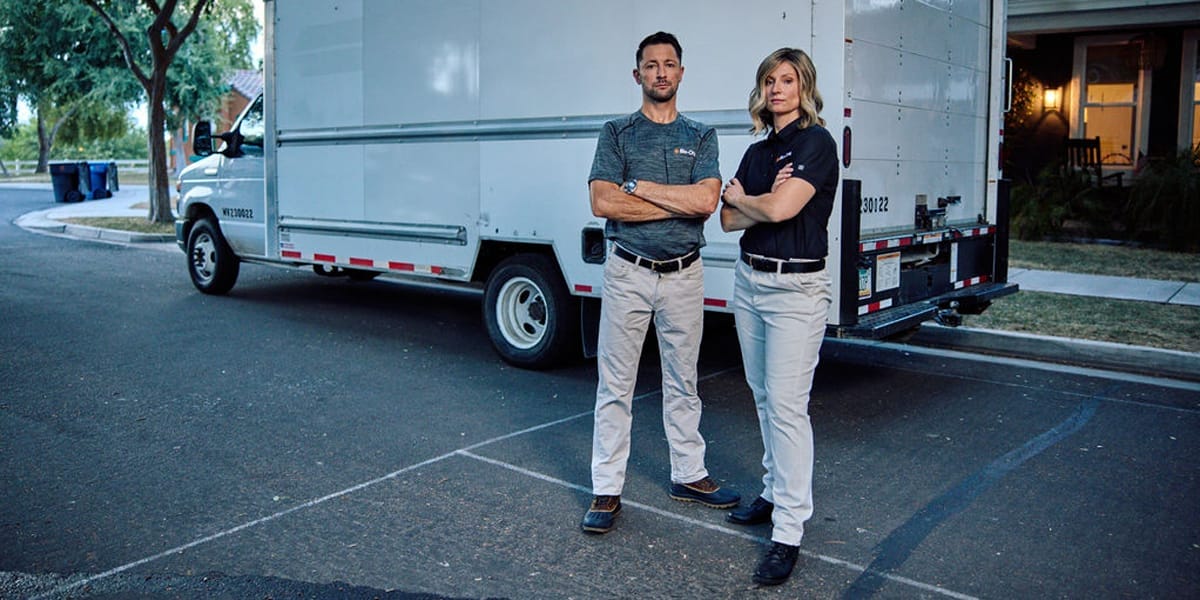
When your property is facing a situation involving blood, bodily fluids, drug residue, hoarding, or sewage, it’s not just dirty—it’s dangerous and deeply complex. This is where your standard cleaning crew reaches its limit—and where Bio-One steps in.
We’re not a janitorial service. We’re a professional biohazard remediation team trained to handle the scenes no one else should touch.
Here’s what sets Bio-One apart:
Every Bio-One technician is certified in handling bloodborne pathogens, trauma scenes, and chemical decontamination. From fentanyl residue to decomposition fluids, we know how to clean safely, thoroughly, and in compliance with strict OSHA standards.
Biohazard events don’t wait for business hours—and neither do we. Whether it’s 2 a.m. or a holiday weekend, our team is ready to respond fast and begin remediation, minimizing disruption to your tenants and timeline.
We understand how sensitive these situations can be. Our teams arrive in unmarked vehicles and plain uniforms to protect your privacy and your property's reputation. We work quietly and professionally to avoid drawing attention to the situation.
We don’t just wipe down surfaces. Our team investigates what’s behind walls, under floors, and inside vents—because biohazards often seep into areas you can’t see. We eliminate not just the visible mess, but the root causes of odor, bacteria, and health risks.
Biohazard claims are complicated, but we make them easier. Our team handles documentation, photos, and direct communication with your insurance adjuster, saving you time, stress, and paperwork.
When it’s more than just a mess—when it’s a potential threat to health, safety, and liability—you need certified professionals who know what they’re doing and care about doing it right.
Bio-One is here to take that burden off your plate so that you can move forward with confidence.
You’ve built a reputation for running a clean, safe, and professional property. Every decision you make—from the paint color in the hallways to the landscaping out front—affects how your tenants (and future tenants) see you.
That reputation can unravel in an instant if a serious cleanup is handled the wrong way.
The truth is:
Your maintenance team isn’t trained—or equipped—to manage trauma scenes, drug contamination, or biohazard remediation.
And honestly, they shouldn’t be. That’s not their job. It’s not in their job description. And expecting them to take on that kind of risk puts everyone in a dangerous position.
Biohazard cleanup isn’t about wiping up a mess. It’s about:
Bio-One is here, so you don’t have to shoulder this burden alone.
We’re a trusted partner to property managers across the country—ready 24/7 to respond fast, work discreetly, and handle the toughest situations with care and professionalism.
Let your staff do what they do best: keep your property running smoothly.
And let Bio-One take care of the rest—quietly, quickly, and thoroughly.

Disasters don’t wait for you to be ready. A tenant passes away. A unit is discovered in a hoarding state. A sewage backup catches you off guard. When these situations arise, every hour counts—and scrambling to find the right help in the middle of a crisis can lead to costly delays, safety issues, and missteps you can’t afford.
That’s why the smartest move you can make right now is to partner with Bio-One of Temecula—before an emergency hits.
Here’s how to take the first step:
We serve our communities with care, and we show up when it matters most.
Don’t wait until you’re in the middle of a mess to start looking for help.
Be ready. Be protected. Be proactive—with Bio-One of Temecula.
Most maintenance staff aren’t trained to safely deal with bloodborne pathogens, drug residue, or hazardous materials. Without the proper PPE, disposal methods, and regulatory knowledge, even a well-intentioned cleanup can lead to health risks, liability, and long-term property damage.
Biohazards include blood, bodily fluids, drug residue (like fentanyl), sewage backups, decomposition, animal waste, and hoarding situations. If there’s a risk of infection, contamination, or toxic exposure, it’s not a job for general cleaning crews.
Improper cleanup can spread contaminants, damage building materials, create lingering odors, or lead to lawsuits and code violations. You may also be putting your team at risk of exposure to harmful pathogens or chemicals.
Yes. Biohazards often seep into subfloors, HVAC systems, and other hidden areas. Bio-One’s certified technicians are trained to inspect and remediate beyond the surface to ensure thorough decontamination.
We offer 24/7 emergency response and can typically be on-site within hours, day or night. When every minute matters, we’re ready to help fast.
No. We understand the importance of discretion. Our teams arrive in unmarked vehicles and wear plain uniforms to protect your tenants’ privacy and your property's reputation.
Often, yes. Many biohazard incidents—such as unattended deaths or trauma scenes—are covered under property or renter’s insurance. Bio-One assists with documentation and communicates directly with adjusters to streamline the claims process.
If the situation involves law enforcement (e.g., a crime scene or death), ensure the scene has been officially released. Then call us. We’ll guide you through the rest—including what to document, what to expect, and how to move forward.
We’re certified in biohazard remediation and trauma cleanup—not just surface cleaning. We follow OSHA and EPA regulations, use professional-grade PPE and equipment, and bring compassion, sensitivity, and discretion to every scene.
Absolutely. We encourage it. We offer free biohazard readiness calls to help you prepare for potential emergencies. You’ll get peace of mind, emergency contact info, and a trusted vendor already in your system.
Holding cells see a constant flow of detainees, many of whom arrive injured, intoxicated, or carrying infectious diseases. Blood, vomit, urine, drug residue, and even pest infestations can quickly turn these areas into biohazard hotspots.
While routine cleaning may address surface-level messes, it often fails to eliminate the hidden dangers that put officers, staff, and detainees at risk. Law enforcement professionals already face enough hazards on the job—exposure to biohazards in holding cells shouldn’t be one of them.
Ensuring these spaces are adequately decontaminated goes beyond sanitation; it’s a matter of health, safety, and compliance. That’s where Bio-One comes in. Our specialized biohazard remediation services help agencies maintain clean, safe detention areas while reducing risks to personnel and the public.
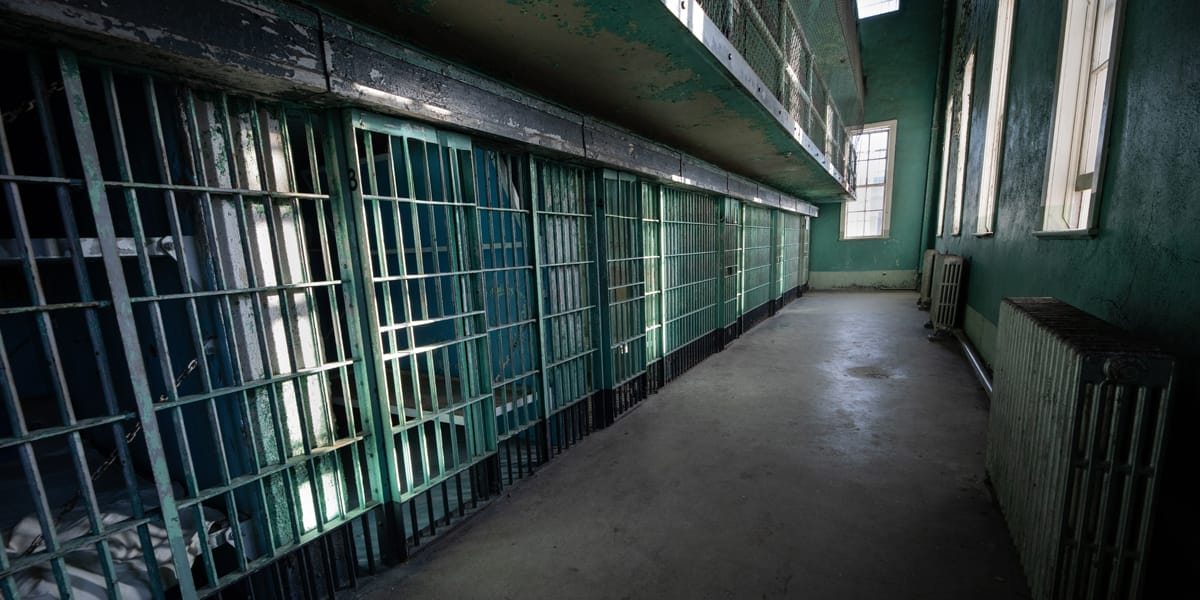
Officers and staff interacting with holding cells face exposure to various dangerous contaminants. Some of the most common biohazards found in these areas include:

While effective for general sanitation, standard cleaning protocols are not designed to eliminate biohazards. Many pathogens, drug residues, and contaminants require specialized equipment and training to remove correctly. Here’s why professional cleanup is essential:
Bio-One specializes in biohazard remediation and works directly with law enforcement agencies to maintain clean, safe, and fully operational detention facilities. Our services include:
Law enforcement officers already face enough risks on the job—exposure to biohazards shouldn’t be one of them. By partnering with Bio-One for holding cell cleanup, agencies can ensure a safer environment for officers, staff, and detainees while maintaining compliance with health and safety standards.
For immediate assistance with biohazard cleanup in holding cells or other law enforcement areas, contact Bio-One of Temecula today at (951) 502-7470.
Holding cells frequently contain blood, vomit, urine, feces, saliva, drug residues (such as fentanyl or meth), and even pests like lice or bedbugs. These biohazards pose serious health risks if not properly decontaminated.
Standard cleaning methods may remove visible messes, but they often fail to eliminate pathogens, drug residues, and lingering contaminants that can cause infections, diseases, or secondary exposure to officers and detainees.
Bodily fluids can carry dangerous pathogens such as HIV, hepatitis B & C, tuberculosis, and MRSA. These contaminants can remain on surfaces without proper cleanup, increasing the risk of disease transmission.
Even trace amounts of fentanyl or methamphetamine can be hazardous. Officers and detainees can be exposed through skin contact or accidental inhalation. Professional decontamination ensures that all drug residues are safely removed.
Bio-One follows strict biohazard remediation protocols, using hospital-grade disinfectants, advanced decontamination techniques, and protective measures to eliminate biohazards, neutralize odors, and restore holding cells to a safe condition.
Bio-One provides 24/7 emergency response to law enforcement agencies, ensuring holding cells are decontaminated and ready for use as quickly as possible.
Yes. Bio-One adheres to OSHA, EPA, and local health department regulations, ensuring full compliance with safety and sanitation requirements for law enforcement facilities.
Proper decontamination prevents the spread of diseases, minimizes exposure risks for officers and detainees, and ensures compliance with safety regulations—reducing the likelihood of lawsuits related to unsanitary conditions.
Yes. Bio-One’s advanced cleaning techniques include odor neutralization, eliminating lingering smells caused by bodily fluids, vomit, or chemical contaminants like pepper spray.
Bio-One offers one-time emergency cleanups and scheduled biohazard cleaning services to help agencies maintain safe, sanitary holding cells. Law enforcement departments can contact Bio-One to discuss customized cleaning plans.

The roots of crime- and trauma-scene cleaning companies can be traced to the 1990s, and at that time only a dozen or so companies existed. The industry was widely unregulated and awareness of contamination risks were relatively non-existant.
"I was young and dumb and saw something you only see in movies, so I quickly shut the door, took a deep breath, sat on the couch with the widow and told everyone else to get her out of here and take her to lunch, and we’ll clean this up for her," said Nick-Anthony Zamucen, Founder of Bio-One Inc. "We were just trying to help a lady in her greatest time of need, and that’s for me how I got into the crime scene and cleaning business." Read Nick's story in Franchise Times.
Today, there are hundreds of companies that advertise crime and trauma scene cleaning, and a simple Google search may prove overwhelming when you're experiencing one of the most traumatic moments in your life. To help, we've listed pre-qualifying questions to ask before choosing a crime and trauma scene company.
Questions to Ask Before Hiring a Crime and Trauma Scene Cleaner
There are a number of key questions to ask crime and trauma scene cleaning technicians or business owners to properly root out which one is best for your goals and circumstances.
Last but certainly most important, make sure the business you speak with shows care and compassion for your situation. They should want to do everything possible to support you and your loved ones.
If you are searching for a crime and trauma scene cleaner, Bio-One is here for you. All of our offices adhere to our business motto Help First, Business Second and are available 24/7. Click here to search for a Bio-One team near you.

Bio-One teams across the U.S. answer calls to help their communities and remediate a variety of scenes. In our new blog series, we'd like to bring you into the Bio-One world by sharing stories of the unique and important work we do for local communities.
Here is Week 5 of our Bio-One Weekly Wrap-Up.
Chocolate Spill Makes for a Sweet Cleanup
In Scranton on March 25, Juan and Nicole Morales received a call for a "chocolate" cleanup. Assuming this was code for a sewage back-up, they rushed to scene to find a different situation entirely. Approximately 100 gallons of milk chocolate had spilled, covering asphalt outside a local business.
This is certainly the sweetest smelling job a Bio-One office has ever taken, but Nicole clarified, "That smell was nice for the first few minutes but at the end I felt sick. Good thing we had an awesome team that pushed through and got this done!"
After scraping the chocolate with a forklift and pressure washing the area, the Bio-One team received a five-star review. Well done!


Behind the Scenes with Citizen's Academy
Many Bio-One owners sign up for their local Citizen's Police Academy to acquaint themselves with the activities of their local police department. This week, Bio-One owner, Ginger Akemon, in Jacksonville, FL earned her Citizen's Police Academy certificate from the Clay County Sheriff's Office.
"Definitely a learning process. Each County has their own, my goal is to go to each county's classes. This was 10 weeks long and over an hour drive each way, but well worth it, " said Ginger.
Hoarding Transformation in Long Beach
In Long Beach, the Bio-One team has been working hard on several hoarding projects. These before and after pictures show the detail and expertise our teams bring to each job.

Bio-One teams across the U.S. answer calls to help their communities and remediate a variety of scenes. In our new blog series, we'd like to bring you into the Bio-One world by sharing stories of the unique and important work we do for local communities.
Here is Week 3 of our Bio-One Weekly Wrap-Up.
Five 30 Yard Dumpsters
The team in Pensacola has been working non-stop on a two story home that required Bio-One hoarding services. Over the course of five days, they filled five 30 yard dumpsters, and found multiple antique pieces, photographs, sentimental items and cash that was promptly turned over to the client.
Look through the transformation photos on their Facebook page!
Backing the Blue in Omaha
The Bio-One team in Omaha dropped off bagels at the Omaha Police Department just before roll call, and Vanessa Urbach, the civilian crime and prevention specialist, tweeted a "Thank You" with shoutouts to Bio-One. Joining the conversation was our own Bio-One Twitter handle, Deputy Chief Ken Kanger, host of the What's Up Omaha Podcast, and a number of other officers in the department.
Kudos to the Omaha team for backing the blue!
Safety First
Before Bio-One teams can help first, we have to ensure safety for every technician on the job site. This week, Bio-One owners took part in conversations about safety. Topics ranged from preventing common injuries on the job to attending OSHA training with Bob Easter. Jared Lafferty, Bio-One owner in Gwinnett County, even took the conversation to Twitter and featured safety protocols his team uses while on the job.
We couldn't be prouder of our teams for putting safety first!
If you or someone you know may be considering suicide, contact the National Suicide Prevention Lifeline at 1-800-273-8255 (en español: 1-888-628-9454; deaf and hard of hearing: dial 711, then 1-800-273-8255) or the Crisis Text Line by texting HOME to 741741.

According to the American Psychiatric Association, suicide is the 10th leading cause of death in the United States and the second leading cause of death (after accidents) for people aged 10 to 34. And according the CDC, published reports from 2020 suggest that the pandemic has had a negative effect on children’s mental health.
“Beginning in April 2020, the proportion of children’s mental health–related ED visits among all pediatric ED visits increased and remained elevated through October. Compared with 2019, the proportion of mental health–related visits for children aged 5–11 and 12–17 years increased approximately 24%. and 31%, respectively.”
Researchers have yet to link recent suicides to the pandemic since 2020 suicide data is not yet available. But on the ground, there's growing concern.
The February 2021 NPR article “Child Psychiatrists Warn That The Pandemic May Be Driving Up Kids' Suicide Risk” explores possible correlation. Takeaways include:
For ways to help kids at risk, NPR encourages readers to read Part 2 of their story, “Make Space, Listen, Offer Hope: How To Help A Child At Risk Of Suicide”.
Suicide Prevention Resources
Survivors of Suicide – What to Do Next
The loss of a loved one by suicide can be a deeply painful and traumatizing experience; however, it’s important to know that everyone experiences suicide loss in their own way. As you begin the process of healing, consider reading the American Foundation for Suicide Prevention’s guide for to talk to others about what happened and identify ways to take care of yourself.
Additionally, if you have lost someone to suicide, there may be a cleanup required. There is no need for family or friends of the loved one to be further traumatized or overwhelmed with trying to figure out how to clean the impacted area. Bio-One is here for you. Learn more about Bio-One’s suicide remediation services.
If you or someone you know may be considering suicide, contact the National Suicide Prevention Lifeline at 1-800-273-8255 (en español: 1-888-628-9454; deaf and hard of hearing: dial 711, then 1-800-273-8255) or the Crisis Text Line by texting HOME to 741741.